Posted on 9 Comments

Why Dijon, France?

This is a question we’ve been asked many times, including this comment from one of the travelers on our Iceland trip last year (and repeat Six-Pack of Peaks challenger) Amy, who wrote:

 I’d love to hear more about why/how you chose France vs Spain, Portugal, or Italy and what was your process for figuring out which city to move to within France. Also, did you do all of your own research or did you use a service to help steer you along the way?

First a little background. We have lived overseas once before, when Joan worked for an international school in Seoul, South Korea. It was a great experience and a very easy transition. At the school, we had a built-in community of English-speaking expats from around the world, and Seoul is a modern city with all of the modern conveniences you would expect — a great public transit system, every kind of cuisine you can imagine. It was different, yet familiar.

We’ve always talked about living in Europe at some point, but due to work obligations, it always felt like more of a “someday” dream — more concept than concrete.

That perspective shifted as I looked at retirement and began to think that maybe the time was right.

Initially, we didn’t settle on Dijon or even France. We just loved the idea of living in Europe and the ease of traveling and experiencing so many different countries so easily. I saw a news story of a village on Sardinia offering the infamous 1 euro house deal and imagined what it would be like to refurbish an ancient home in a small, remote village. That seemed a bit too remote and far removed for our tastes, but it did get me thinking about how close other places in Europe are, and how easy it would be to travel to the UK, Spain, Italy, the Netherlands and more.

At this point the algorithm kicked in and started suggesting content. We learned about an expat couple that moved from Missouri to Albania, and followed that rabbit hole. Joan had a friend who moved to Portugal, and so we did some research on that (many of the doors are closing there).

Then on October 26, 2025 we watched this video from Amelia and JP Abroad on their 10 favorite retirement spots. They listed cities across the world, but Dijon, France piqued our interest. It seemed to have the right mixture of history, vibrant culture and modernity

From that, the algorithm suggested Suzi from Fired Up in France. Suzi is an American expat who has been living in Dijon for 17 years, and has a great channel with a lot of content for people curious about moving to France in general, and Dijon in particular.

This kicked off more research, learning about moving to France and getting to know the city of Dijon.

There are many wonderful things about France, and one of the financial elements that tips the scale is their favorable tax treaty with the U.S.. We still file and pay income taxes in the U.S., but don’t get double taxed in France — not true for all countries.

As for where in France, there are many wonderful cities, towns and villages to choose from. For us, we liked the climate of Dijon — very similar to what we experienced in Bend, Oregon, but with slightly warmer winters and slightly cooler summers. We didn’t want hot and sunny, but we also wanted more than a village — something where we could immerse ourselves in French culture, history, food and wine but also enjoy great public transportation, excellent walkability (Dijon has entire sections of centre-ville that are pedestrian-only), and good cost of living (about 30% lower than Bend, Oregon).

Dijon is located roughly 1 hour 40 minutes from Paris by high-speed rail, and we have excellent high-speed rail connections that can get us throughout Europe. Plus, most of the trains allow dogs, which is important for our two labradoodles.

Once we decided on the move, we enlisted help from two companies. Daniel Tostado Avocats helped us with our long-stay visitor visas. These allow us to establish residency in France, but there is a fair amount of paperwork to go through — tax records, bank statements, proof of income — and they were very helpful guiding us through the process. We had to travel to San Francisco to submit our paperwork, and we didn’t want to have to go through that process twice.

We started looking for long term rentals, initially using Seloger.com. Initially, we were getting virtually acquainted with the various neighborhoods and the rental market. About a month before we were scheduled to land in France, we worked with Ibanista to help us focus our search. They were extremely helpful in scheduling (and translating) walkthroughs, ultimately finding the apartment we ended up loving and walking us through the details of the lease agreement (which of course, is in French).

In six months we went from dream to reality. Now we are walking the dogs through centre-ville, stopping for a coffee and a croissant, and slowing down to savor the day.

We’re still setting up the apartment and getting settled in, but Dijon feels like home.

Posted on 2 Comments

21 Days to Dijon

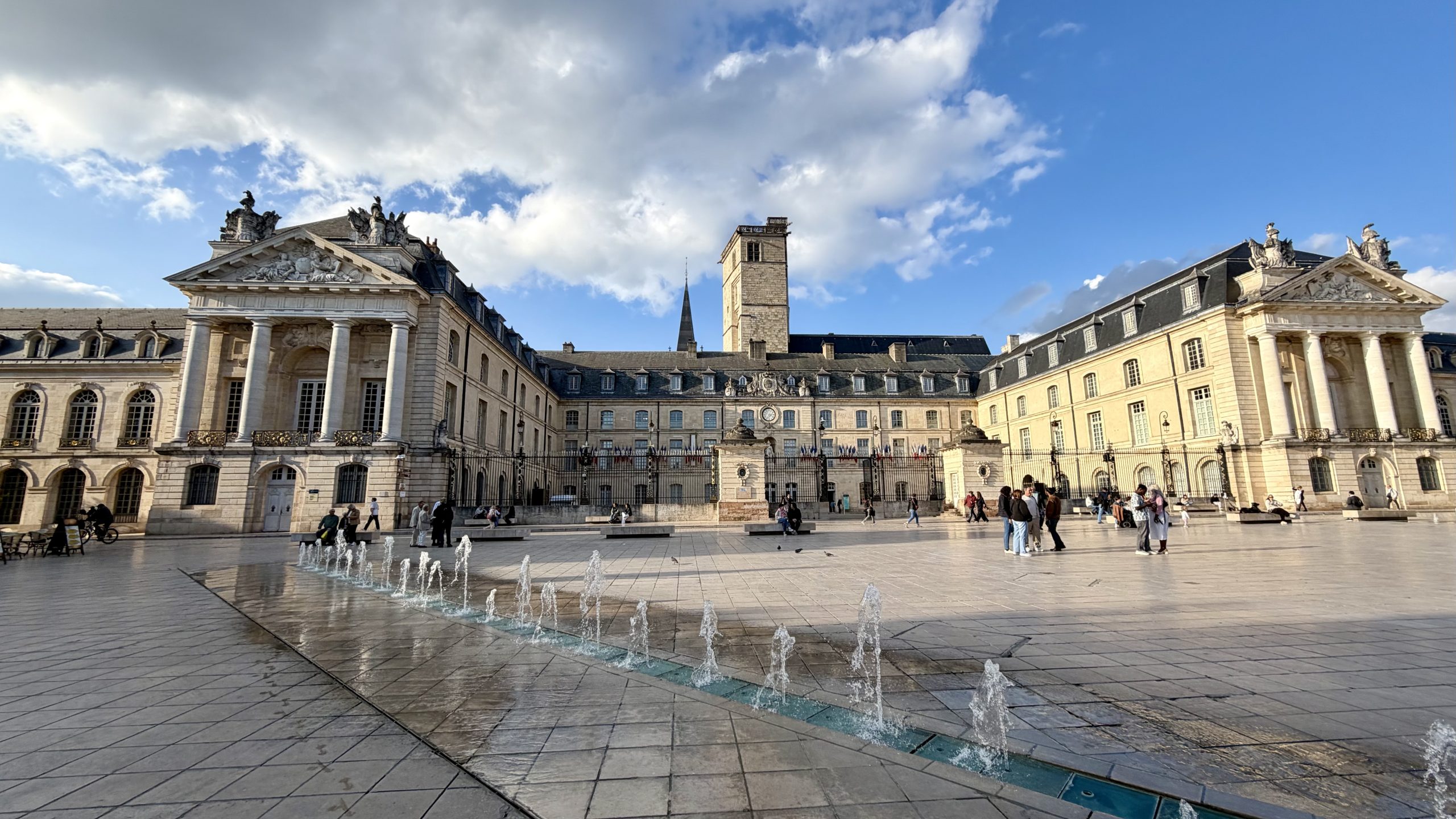
In 21 days, we will be en route to Dijon, France—our new home base for the next chapter of our adventures.

The first order of business will be finding long term housing. We plan to live car-free, relying on public transportation and our own two feet to get around.

Dijon is a little bigger than Bend (160k vs 110k) but still quite manageable. Both high speed rail and regional trains serve Dijon, making it a great base for exploring Europe. We already have two trips planned—Switzerland for a couple days at the Montreux Jazz Festival, and southern England for a workshop and hiking on the coast.

Meanwhile, the house in Bend has been emptied and we are revisiting some of our favorite places one last time before heading to our next stop: San Francisco.

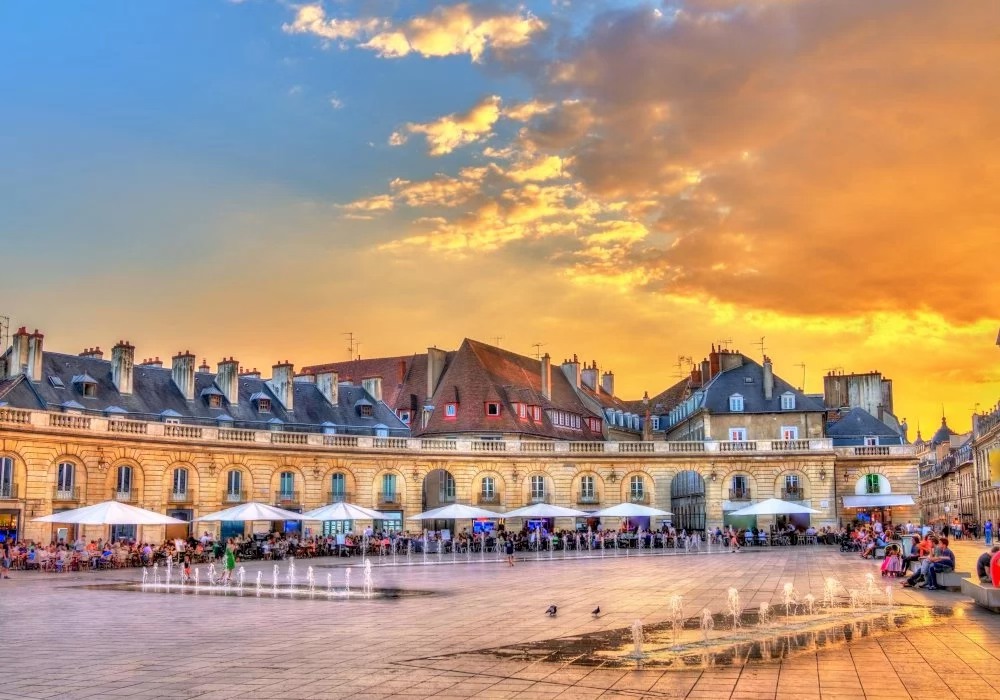
Photo credit: Stéphane Rouillard “KyonyxPhoto”

Posted on Leave a comment

Townsend Pasta

A hearty, smoky pasta with chorizo, bacon, mushrooms, and a rich carbonara sauce with a kick of chili. This is a recipe my friends Sarah and Paul in Follifoot shared with me. Loved it. Found the old card I had written it on, and decided to post it for my own future reference.

INGREDIENTS

  • 4 rashers (strips) of smoky bacon
  • 1 chorizo sausage, sliced
  • 2 garlic cloves, sliced finely
  • 4 kinds of mushrooms, sliced
  • 3 small pots carbonara sauce
  • 1 teaspoons chili flakes
  • 400 grams pasta of your choice (penne works well)

STEPS

  1. Fry the bacon & chorizo: Fry 4 rashers of smoky bacon and 1 chorizo sausage, sliced together until the bacon is crispy and the sausage is darker and cooked through.
  2. Cook pasta: While the meat is frying, cook 400 grams pasta of your choice according to package directions. Drain and set aside.
  3. Add garlic & mushrooms: Add 2 garlic cloves, sliced finely and 4 kinds of mushrooms, sliced to the pan. Sauté until the mushrooms are softened.
  4. Add sauce & simmer: Stir in 3 small pots carbonara sauce and 1 teaspoons chili flakes. Mix until bubbly, then reduce heat and simmer for 10 minutes.
  5. Combine & serve: Add the cooked pasta to the sauce and toss to coat. Serve immediately — eat!

NOTES
Feel free to mix up the mushroom varieties — a combination of cremini, shiitake, oyster, and button works great. Adjust chili flakes to taste.

Posted on Leave a comment

Tectonic Shift Ahead

We’ve been sitting on this one for a while.

After a lot of conversations, long walks, and asking ourselves what we want the next chapter of our life to look like, we’ve decided it’s time for a change. This May, Joan and I are moving to Dijon, France.

Bend has been our home for the past nine years, though we’ve bounced around between LA and the Bay Area for work, it’s here where we’ve built community, friendships, and a life we’re deeply grateful for. Leaving Bend doesn’t mean we’re closing the book on this place or the people here. We’re just turning the page.

This move isn’t about running from anything. It’s about curiosity, a different pace of life, and choosing new adventures while we still can. Everything that matters most to us — connection, time outside, shared meals and good conversations — all come with us.

We are excited. And more than a little nervous. And very aware of how lucky we are to get to do this.

And yes, our door is always open to friends. Burgundy hikes, bike paths, wine, and long, leisurely French lunches are officially on the menu. ????

Posted on

Counting Down to Kilimanjaro

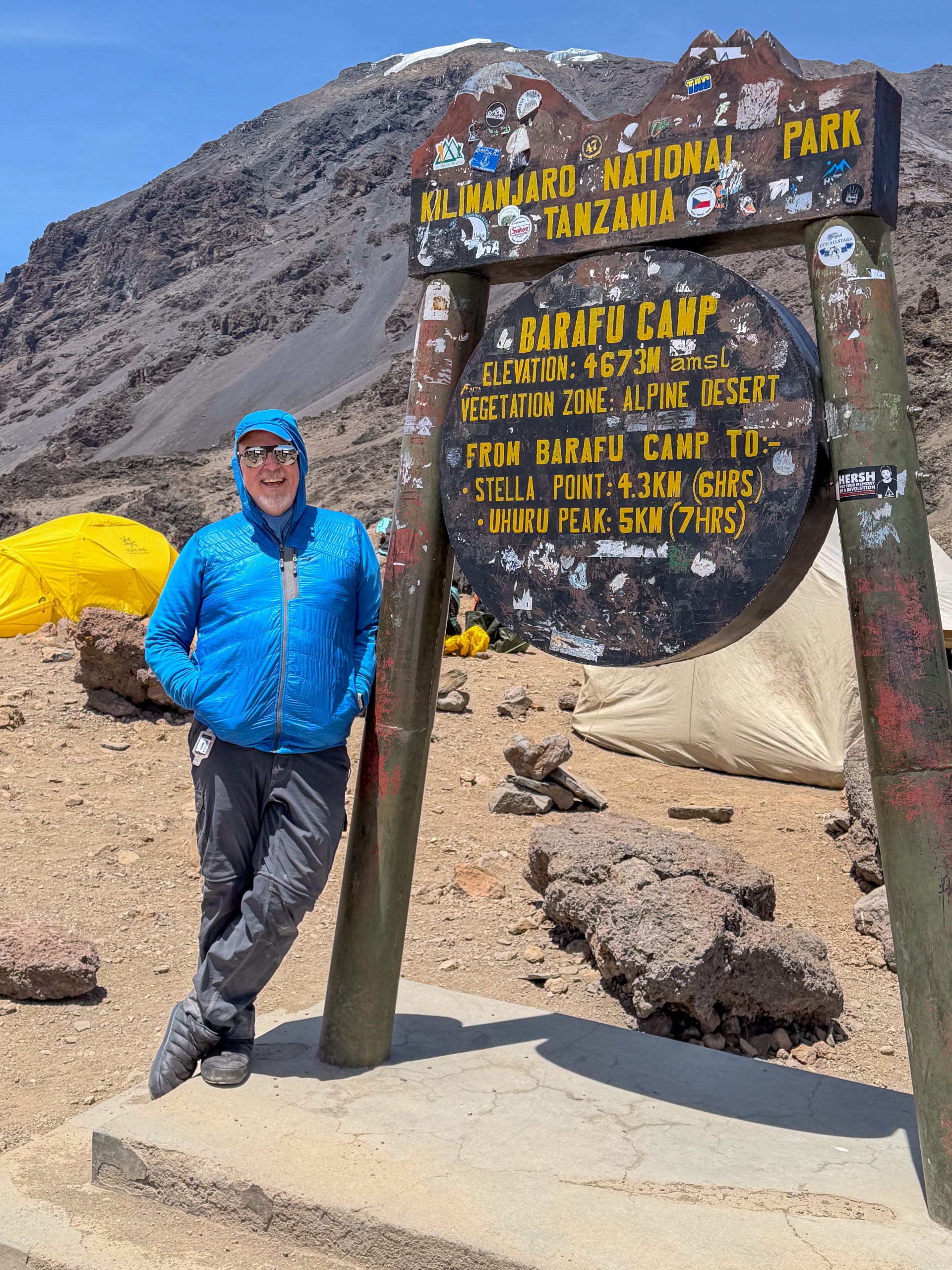
In a few weeks, I’ll be traveling to Tanzania. It’s what is technically referred to as a “long-ass” trip, flying from Redmond to San Francisco to Doha and finally to Arusha. But not really finally, because then I hop in a taxi to Moshi, another hour away, where finally… FINALLY… I’ll meet up the other 12 good people climbing with me.

I’ve put together my packing list (your feedback welcomed) and reviewed it with a fellow Six-Pack of Peaks Challenger and Kilimanjaro alums Jason (watch the interview).

Summit Day

I leave for Tanzania in three weeks from today. We begin our 7-day trek on the Machame Route on Sunday, January 18th and our Summit Day starts in the wee hours of the morning on the 23rd, which is in…

I have three weeks to finalize my packing and wrap up my training.

“The word adventure has gotten overused. For me, when everything goes wrong – that’s when adventure starts” – Yvon Chouinard

Planning for Adventure

I don’t know if anyone has stumbled into an adventure up Mount Kilimanjaro. It’s the sort of adventure that requires loads of advance planning; budgeting expenses, booking flights, training, even meeting with my doctor.

Undoubtedly there will be surprises on this adventure. When experiencing anything for the first time, every step unveils something new and often unexpected, no matter how many YouTube videos you’ve watched or trip reports you’ve read.

Taking on an adventure like climbing Kilimanjaro requires a level of planning. It’s mostly a matter of prioritizing what matters to you. While plenty of people claim to love “outdoor adventure” (whatever that means), fewer take the necessary steps to prioritize adventure as part of their month-to-month, week-to-week, and day-to-day lives.

It’s part of why I created the Six-Pack of Peaks Challenge. The challenge involves committing yourself to adventure. Planning hikes that may require a full day (or two) up mountains that will test your body and spirit. There will be surprises, but you won’t stumble into completing it without at least a basic plan.

Cheers to an adventurous 2026!

Where is adventure calling you in the year ahead?

Posted on

Another Look at Energy Miles

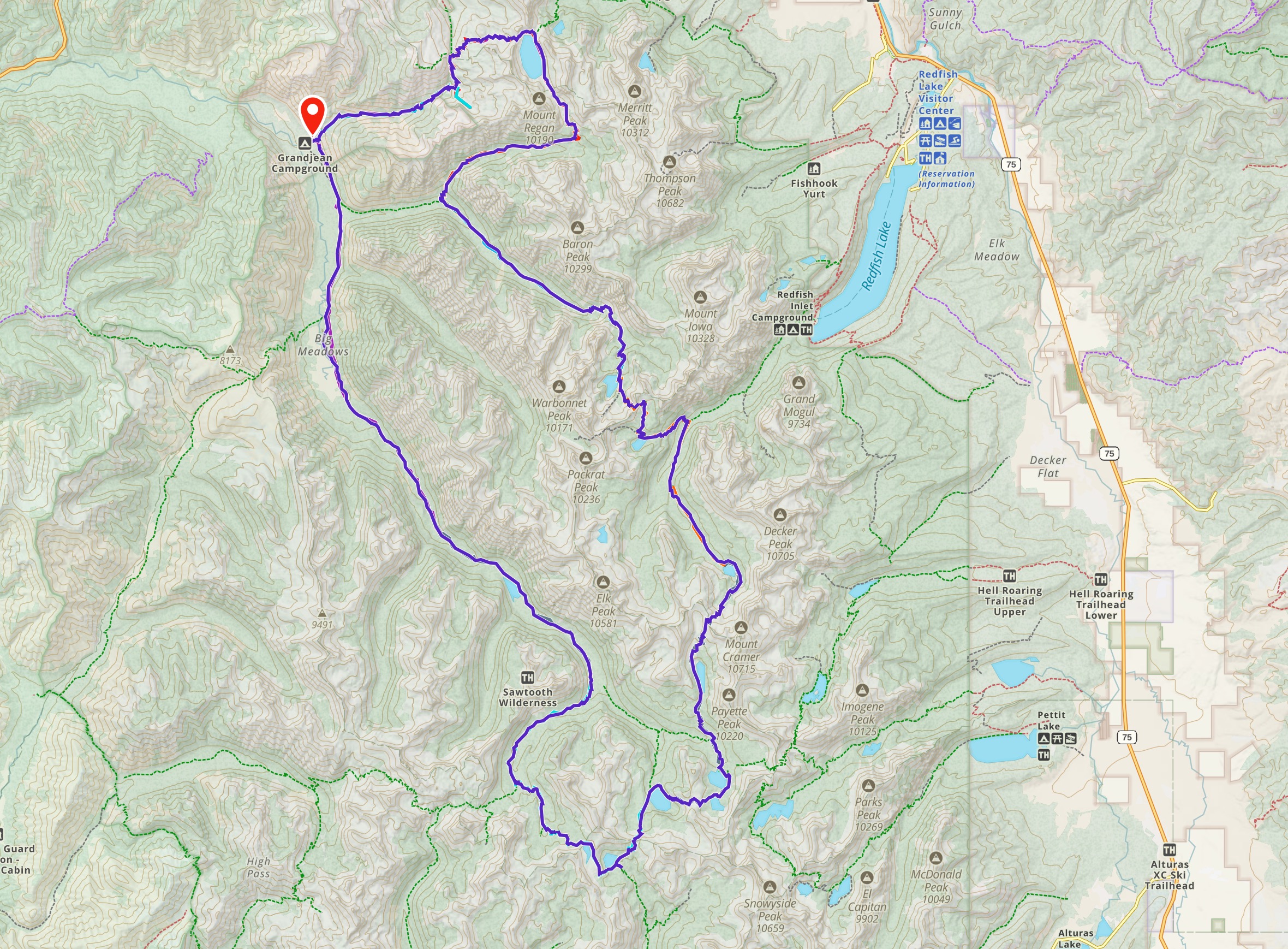
I returned this weekend from a six-day backpacking trip in the Sawtooth Mountains, and I was curious how it stacked up against the energy miles I calculated for my upcoming Mount Kilimanjaro climb in January 2026.

DayItineraryMileageElev. Gain (ft.)Energy Miles
1Grandjean to Sawtooth Lake9.8357016.9
2Sawtooth Lake to Middle Baron Lake13.89289619.7
3Baron Lake to Middle Cramer Lake9.8187813.6
4Cramer Lake to Ardeth Lake10.3208714.5
5Ardeth Lake to Smith Falls10.14114212.4
6Smith Falls to Grandjean15.0146015.9
TOTALS68.941203393

It’s worth noting that our top elevation on the Sawtooth Loop was 9,495 feet — almost 10,000 feet lower than the top of Kilimanjaro. Also, we were carrying all our own gear (~30-35 lbs), whereas we will be carrying less weight on Kili.

For easy reference, on Kili, our total mileage will be 35.75 miles and 69.7 energy miles — less than on this trip.

The big wildcard for Kilimanjaro is the elevation. At sea level, the effective percentage of oxygen in the air is around 20%. At the top of Kilimanjaro it’s about 10%, making our bodies work that much harder to get enough oxygen to hike (see this altitude to oxygen chart for reference).

There is no simple modification to Petzoldt’s energy mile theory that accounts for the additional effort required with less oxygen, but it’s safe to say it will take longer, require slower movement, with more frequent and longer rest breaks.

The takeaway from this? We worked hard on the Sawtooth Loop backpacking trip. If the elevation were not a factor on Kili (though it most definitely will be), this would’ve measured as a more difficult hike, done in six days vs the seven we will take on Kili.